Maintaining a viable, adequate, long-term supply of potable drinking water is vital to island life ~ human and flora and fauna ~ as well as land values.
Groundwater
The Gulf Islands receive their potable water primarily from groundwater, which is water found underground in the spaces between particles of rock and soil, or in crevices in rock, and is only accessible by a well and pump.
Some islands have reservoirs or lakes but Mayne is solely reliant on groundwater.
There are also a few homes on Mayne that rely on rainwater collection for their household water.
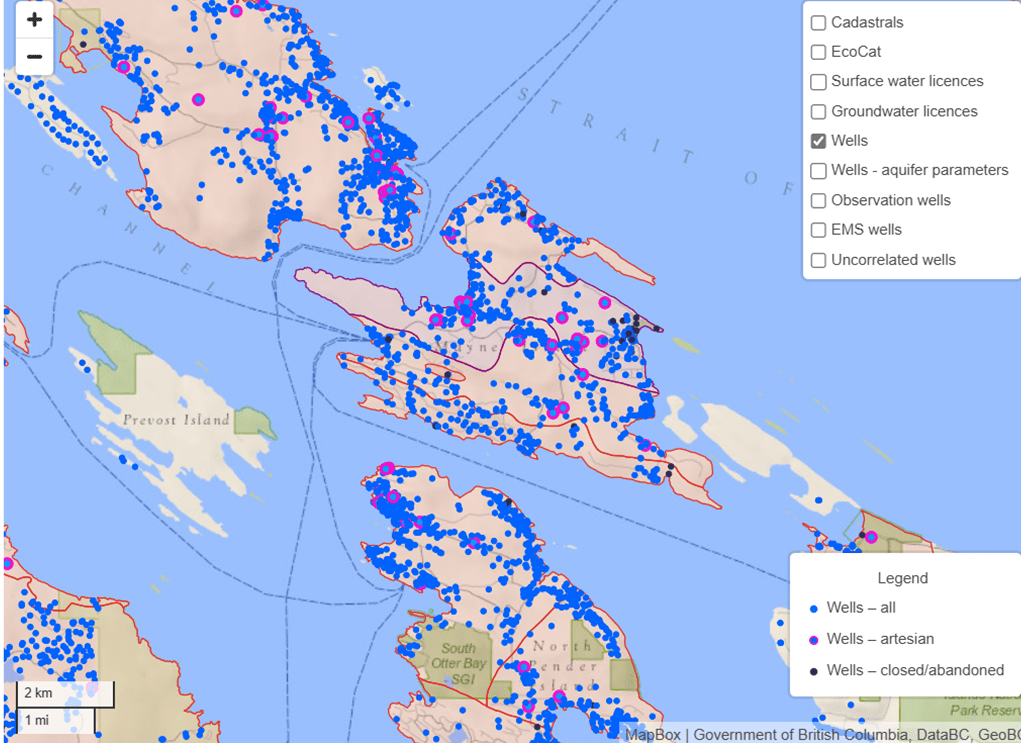
Whether you are on your own well or getting water from a water district, we are all pumping water from the same five aquifers on Mayne. Check out this page for more information about the location of these aquifers and the registered well locations.
Groundwater Wells and Aquifers on Mayne
Groundwater Recharge
While you may have heard the rumour that our groundwater comes from snow melt on Mount Baker, it doesn’t! Mayne is surrounded by salt water and under the ocean is saline groundwater, making it impossible for freshwater to come from off-island.
Our aquifers are recharged with rainfall which mostly occurs from November through to May. It is a generally accepted rule that it takes two years or more for rain to filtrate through to benefit an aquifer, depending on the make-up of that aquifer.
Due to the changing nature of our rainfall patterns and removal of ground cover for development and also over-browsing by the fallow deer, significant amounts of the heavy rainfall runs off into the ocean, reducing the benefit to groundwater recharging.
Sea Water Intrusion
If you live near the ocean, the view is great but digging a well there may not be so great. Wells near the ocean are susceptible to sea water getting into the well making the water unfit for household use. Read more about sea water intrusion here.
The Dreaded “D” Word – Drought
All Gulf Islands experience periods of summer drought, sometimes lasting as long as five months. As mentioned above, on Mayne our potable water comes from below the ground.
We don’t have a reservoir or lake that can indicate how much water is available.
We just don’t know how much water is in the ground
But we do know that the water level in our wells drops during the summer, which is of course when more people are on Mayne. Therefore, it is imperative that we all do our best to conserve water, especially in the summer months so that everyone has access to water. During the dry season the BC Government Drought Portal provides information about the drought levels across BC.
Water Use Restrictions
Every water district has its own guidelines on the use of its district water. Several of the larger districts restrict district water to indoor use only. That is, no garden watering, no power washing (decks, roofs, cars, boats) with district water.
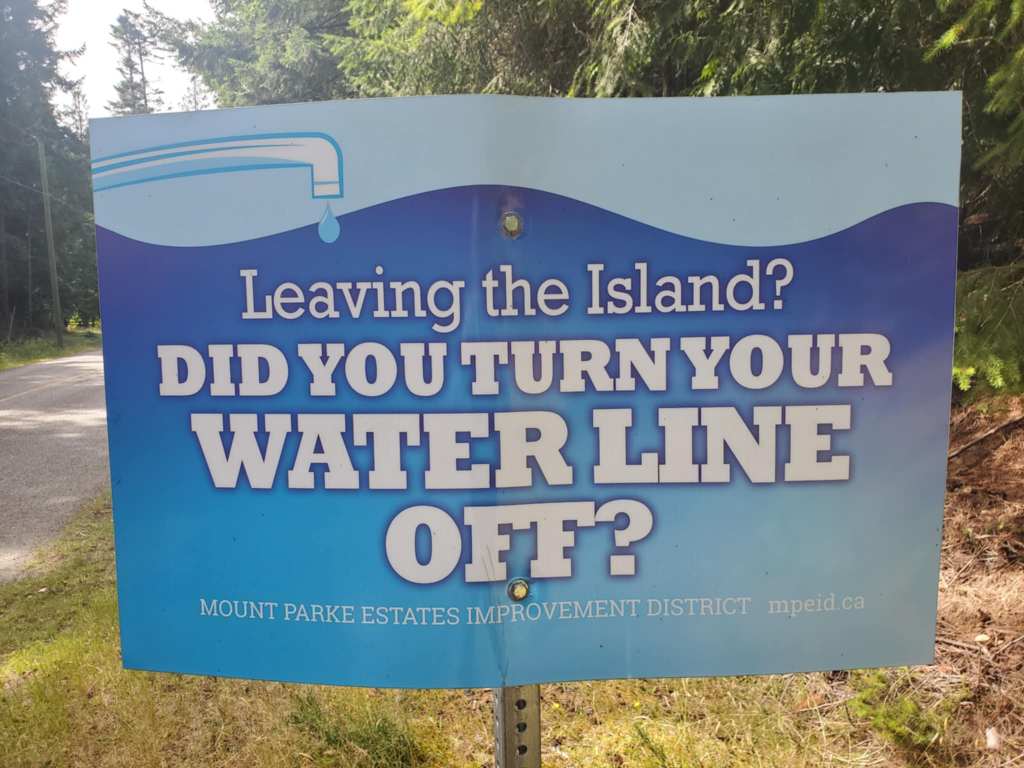
Some districts require residents to turn off their water when away from the property for a few days or more. The two CRD managed districts have their own water restriction / use levels which are posted on roadside signs and on their website. If in doubt about water use, please check with your water district.
Conservation Tips
- Check for leaks in your household – often it’s a leaky toilet and using food colouring in the toilet tank will indicate if there’s a leak.
- Take shorter showers. A long shower can use a lot of water.
- Wash your deck with rainwater and use scrub bushes or a power scrubber.
- If washing dishes by hand, fill the sink, rather than letting the water run freely.
- Thirsty? Don’t run the water until the water is cold – keep water in the fridge.
- Turn off the tap when brushing teeth or shaving.
- Run full loads of laundry and full dishwasher loads.
- To avoid running water while waiting for hot water consider insulating your hot water lines.
Rainwater Collection / Use
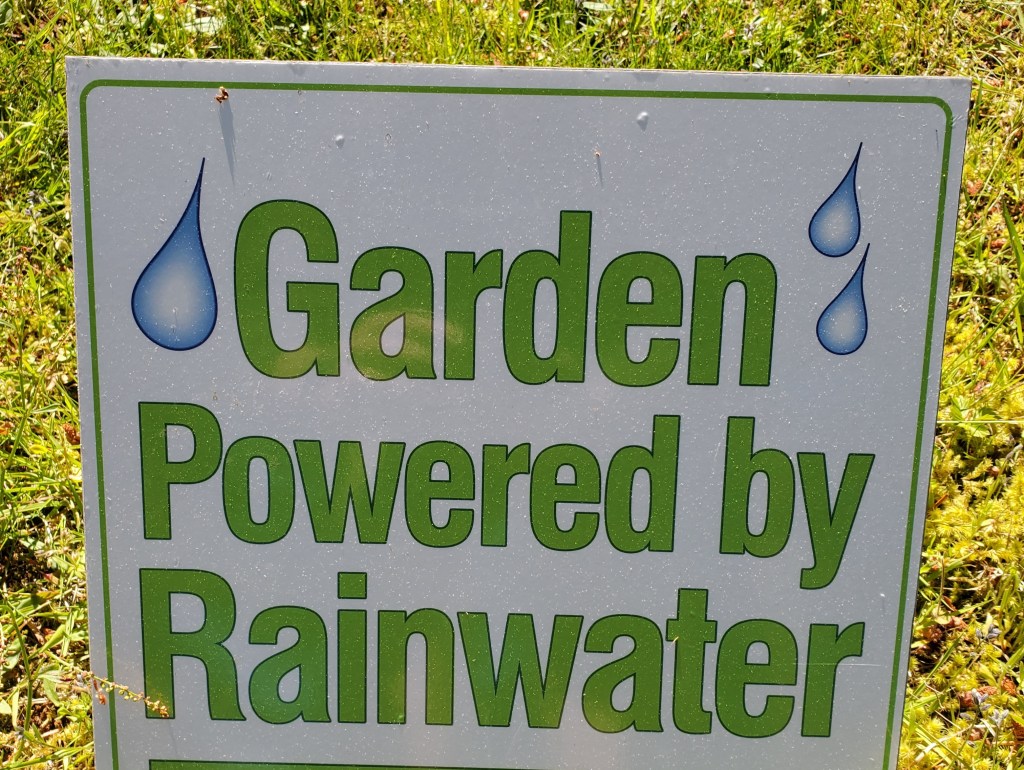
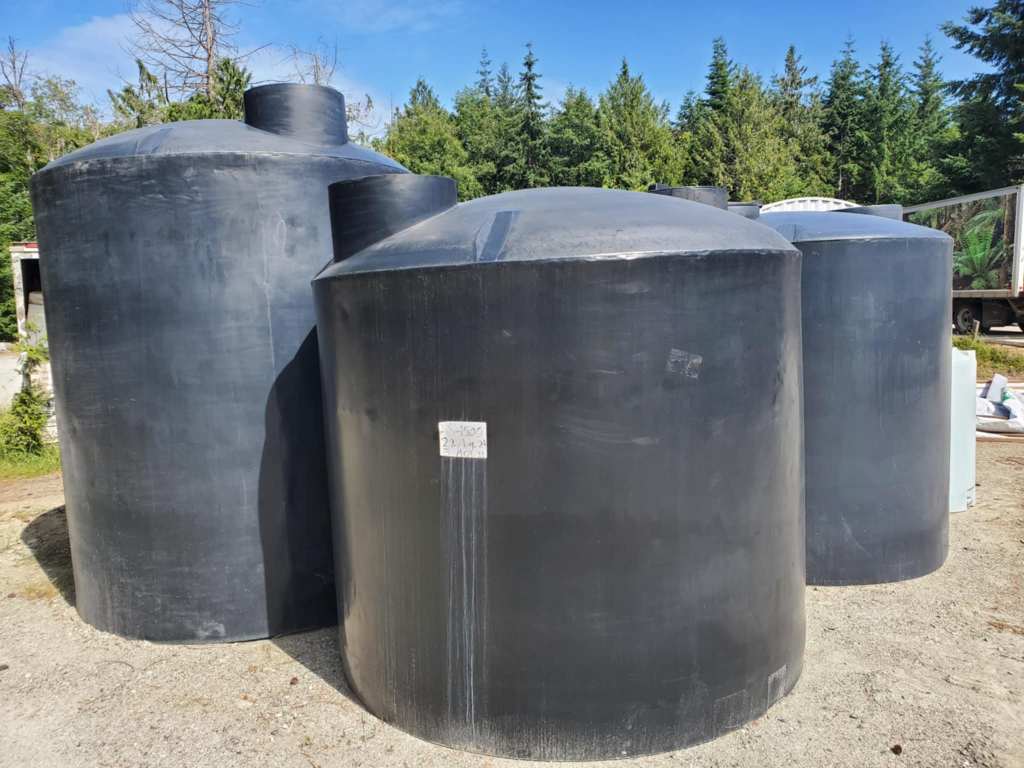
Rainwater collection tanks are essential if you have a garden. They collect the rainwater during the winter months for use over the summer. While water districts don’t require these tanks they often encourage their use, and some districts offer rebates on their purchase and installation. Transition Salt Spring offers rainwater tank rebates – check here for how to apply. If you’re interested in using rainwater indoors, read this article about it being done on Mayne.
Island Health and Potable Water
Monthly water quality reports from each of the water districts are available through Island Health and these record the total coliform bacteria and Escherichia coli (E.coli). Note that LT1 stands for “less than 1” and means that no bacteria was detected.
Septic Systems
Islanders must also consider how to manage their sewage. Most island homes have individual septic systems. There are on going concerns about the interface between the aquifers and septic fields that are not operating efficiently. When conservation practices are used on the front end of the problem, the problems at the discharge end can be alleviated.
Trees and Water
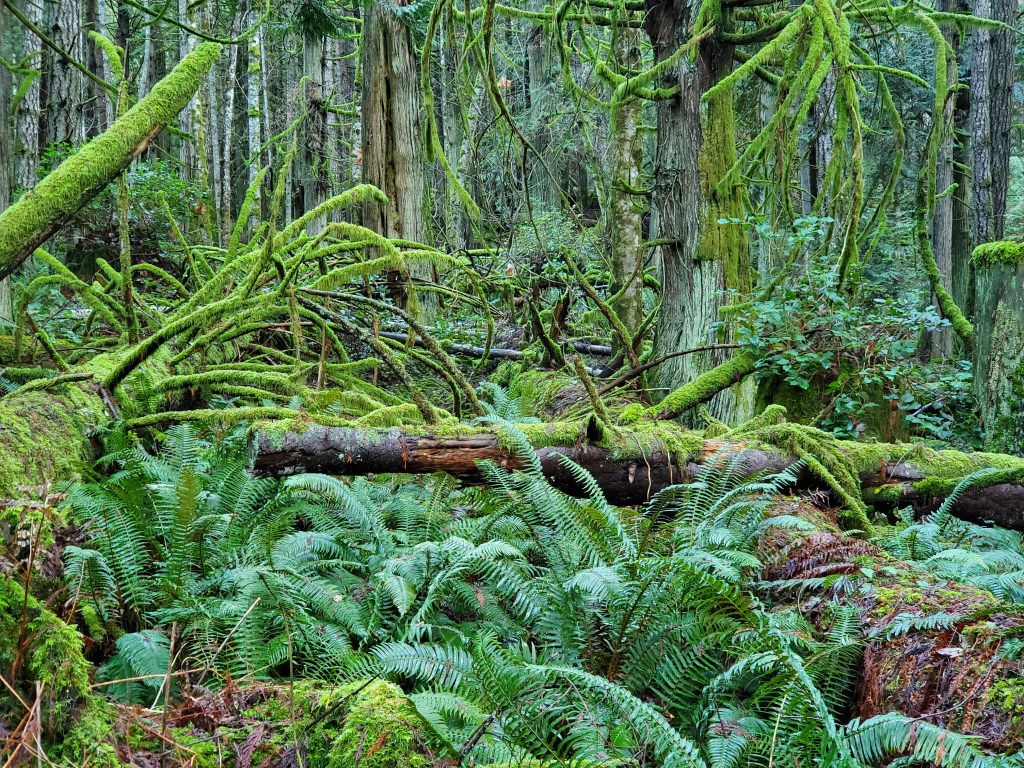
The water on Mayne is not just essential for us humans; ecosystems are using the water too. Healthy forests and thirsty trees support groundwater recharge and support soil moisture. How? Not only do trees and other plants keep the soil moist, but their roots help slow and spread the flow of surface water during rainfall events. This allows the water time to seep into the ground and reduces erosion from fast moving water.
 miwss
miwss 